More posts
/
/
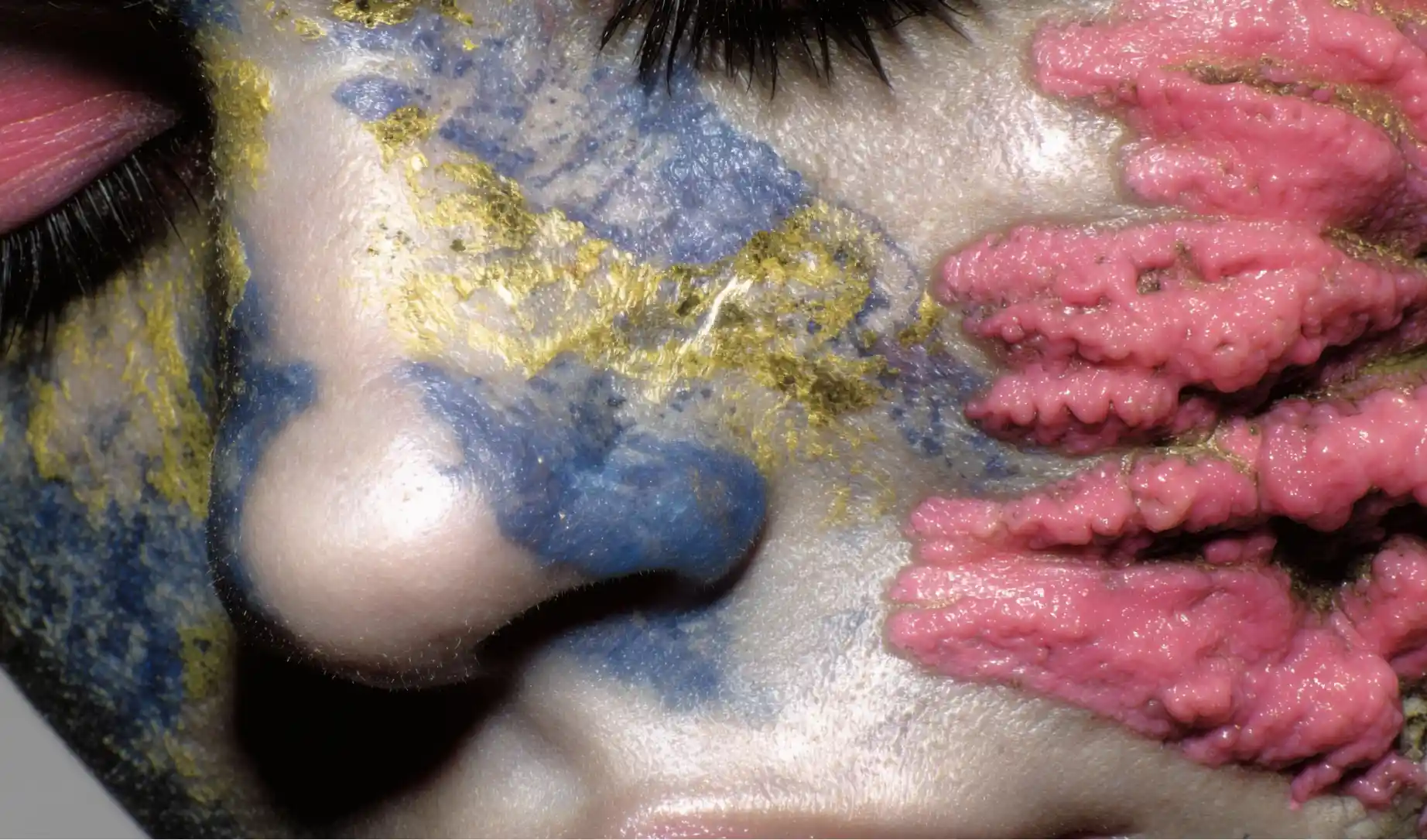
Seedream has quietly become one of the most reliable realism-first image models in modern AI design workflows. While it doesn’t chase extreme stylisation like Midjourney, it absolutely dominates when accuracy, texture, and consistency matter.
Below is a clear, practical breakdown of why Seedream is great and exactly what you should use it for.
1. Industry-Leading Realism (Especially Skin & Materials)
Seedream excels at natural, believable realism. Skin doesn’t look waxy, plastic, or over-smoothed, and materials behave how you’d expect in real life.
Best for
Human portraits
Fashion/editorial shots
Beauty & skincare visuals
Close-up product photography
Why it matters
This removes the “AI look” that clients instantly spot.
2. Exceptional Texture Fidelity
Seedream is one of the best models for micro-details:
Skin pores
Fabric weave
Leather grain
Wood, stone, metal imperfections
Best for
Product mockups
Macro photography styles
High-end brand visuals
Pro tip
Texture prompts actually work. You don’t need to over-engineer them.
3. Natural Lighting & Shadow Behaviour
Lighting in Seedream behaves photographically, not artistically exaggerated.
Best for
Studio lighting setups
Soft window light
Commercial photography
Lifestyle brand visuals
This makes Seedream ideal when you want images that feel shot, not generated.
4. Strong Prompt Understanding (Without Over-Structuring)
Seedream responds best to clean natural language prompts, rather than heavy JSON or token stacking.
Why this is powerful
Faster iteration
Less prompt fatigue
More predictable outputs
Best for
Rapid ideation
Client iteration rounds
Non-technical creatives
5. Consistency Across Generations
Seedream is surprisingly consistent when re-prompting similar scenes.
Best for
Brand campaigns
Repeated product angles
Character-driven visuals
Social content series
This makes it perfect for commercial pipelines, not just one-off images.
6. Excellent at Product Photography & E-Commerce
Seedream handles:
Clean backgrounds
Accurate proportions
Realistic reflections
Material realism
Best for
Shopify / Amazon visuals
Product concepting
Marketing assets
Packaging previews
It’s one of the safest models to put in front of clients.
7. Works Extremely Well as an Upscaler
Seedream can be used as an image upscaler and detail enhancer.
Simple workflow
Upload image
Prompt: “upscale 8k, enhance fine detail”
Output at 4K+
Best for
Polishing Midjourney images
Refining concept art
Improving texture realism
This makes it a key part of many model stacks.
8. Minimal Artefacts & Fewer “AI Errors”
Seedream produces:
Fewer warped faces
Better anatomy
Cleaner edges
Less hallucinated details
Best for
Human-focused visuals
Hands, faces, close-ups
Client-ready imagery
It’s a low-risk model for professional output.
9. Perfect Companion Model in a Stack
Seedream shines when paired with other models.
Common stack example
Concept & style → Midjourney
Realism & texture → Seedream
Final upscale → Magnific / Topaz
Seedream’s role is grounding artistic outputs in realism.
10. Built for Commercial & Client Work
Seedream prioritises:
Accuracy over flair
Reliability over chaos
Real-world aesthetics
Best for
Paid client projects
Brand visuals
Marketing campaigns
AI UGC creation
If your goal is hireable AI design, Seedream is a core tool.
When You SHOULD Use Seedream
Use Seedream when you need:
Photorealism
Clean commercial visuals
Accurate materials
Human skin that looks real
Upscaling & refinement
When You Should NOT Use Seedream
Avoid Seedream if you want:
Wild artistic styles
Painterly abstraction
Experimental chaos
Style-first exploration
That’s where Midjourney dominates.
Final Takeaway
Seedream isn’t trying to be flashy — it’s trying to be correct.
That’s exactly why it’s one of the most important models in modern AI design workflows.
If Midjourney is your creative engine, Seedream is your quality control and realism layer.
For anyone serious about client-ready AI imagery, Seedream is non-negotiable.