More posts
/
/
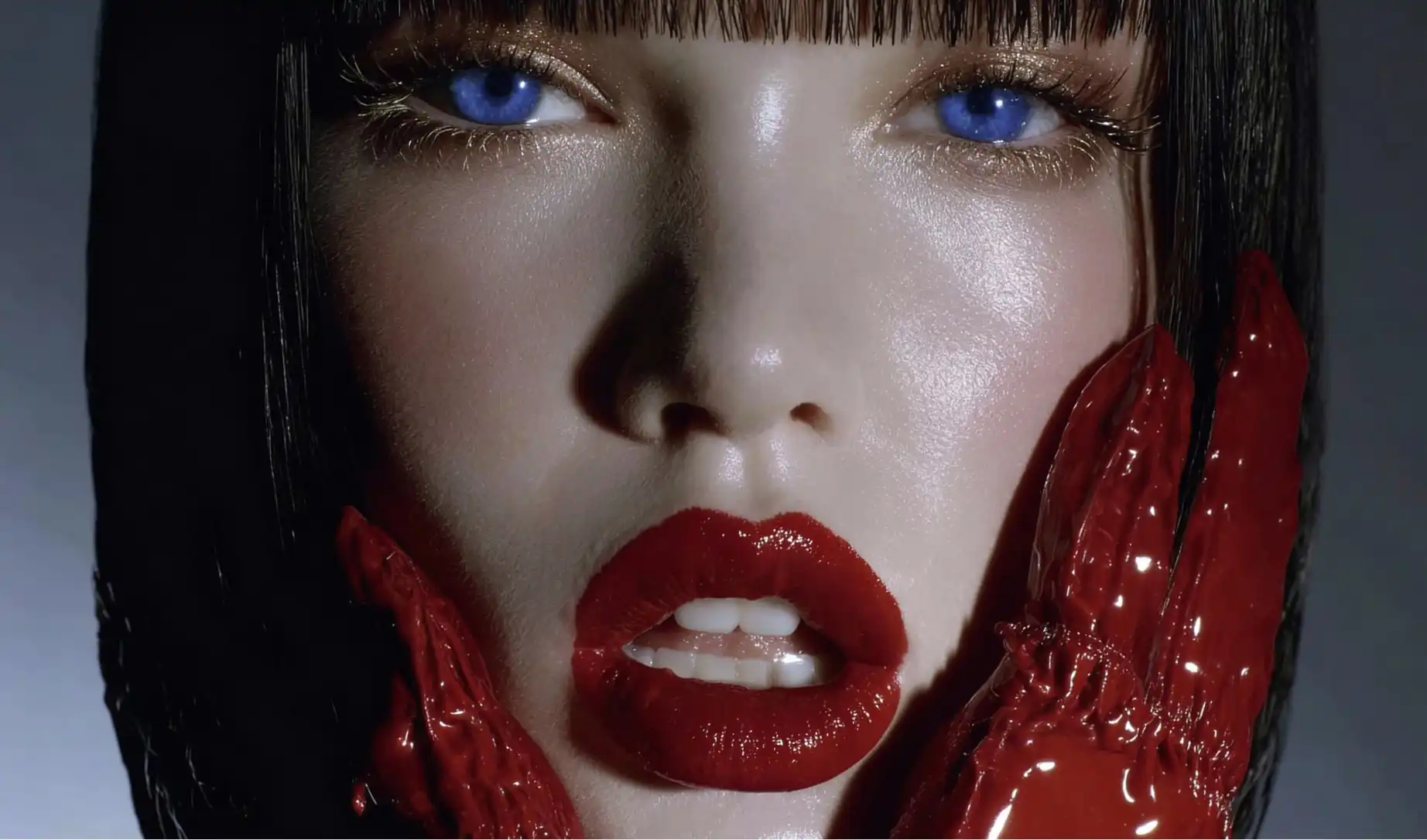
AI doesn’t have taste.
It doesn’t have instincts, references, restraint, or judgment.
What it does have is pattern recognition at scale.
That’s the uncomfortable truth most people avoid: AI only reflects what you put into it. If the output feels generic, soulless, overdesigned, or trend-chasing, that’s not an AI problem. That’s a creative direction problem.
Taste is not something AI can invent for you. Taste is something you inject.
AI Is a Mirror, Not a Mind
AI models are fundamentally reactive systems. They do not decide what is good, interesting, or appropriate. They respond to:
Your language
Your references
Your constraints
Your intent
Your standards
If you prompt vaguely, AI fills the gaps with averages.
If you prompt precisely, AI sharpens.
Bad taste in AI outputs usually comes from:
Overloaded prompts with no hierarchy
Aesthetic buzzwords with no grounding
Conflicting visual instructions
No clear point of view
AI doesn’t “ruin” taste. It exposes the absence of it.
Taste Lives in How You Prompt
Prompting is not about length.
It’s about direction.
Strong taste shows up in:
Specific terminology instead of vague adjectives
Visual priorities (what matters vs what doesn’t)
Knowing what to exclude as much as what to include
Consistent language across generations
Compare these two approaches:
Low-taste prompting
“Cool futuristic cinematic image, very detailed, trending, ultra HD”
High-taste prompting
“Editorial-style portrait with controlled contrast, restrained color palette, shallow depth of field, soft directional lighting, understated mood, no visual noise”
Same model.
Completely different outcome.
Taste is selective pressure. AI responds to that pressure instantly.
Taste Is Built Outside the Prompt Too
Your taste doesn’t come from a single good prompt.
It comes from systems you build around AI.
High-level creatives don’t just prompt. They:
Build moodboards
Collect references obsessively
Define repeatable frameworks
Develop internal style language
Create reusable prompt structures
Think of AI as the renderer.
Your taste is the art direction layer.
If you don’t bring a system, AI defaults to whatever the internet statistically agrees is “nice.”
That’s how you get sameness.
Different Models Help You Discover Different Sides of Your Taste
Not all models respond the same way. That’s a feature, not a flaw.
Some models exaggerate style
Some prioritize realism
Some are literal
Some are interpretive
Some reward structure
Some reward loose language
By using multiple models intentionally, you learn:
What kind of detail you care about
How much control you want
Whether your taste leans minimal or maximal
Where ambiguity helps or hurts
Switching models is like changing lenses.
It doesn’t change your taste, but it reveals it.
Prompting Styles Shape Taste Development
Different prompting styles train you differently as a creative:
Loose natural language helps you explore mood and intuition
Structured prompts force clarity and decision-making
Framework-based prompting builds consistency and authorship
Iterative prompting sharpens judgment through comparison
If you always rely on one style, your taste plateaus.
The goal isn’t the “perfect prompt.”
The goal is taste literacy.
AI Doesn’t Replace Taste – It Demands It
Before AI, weak taste could hide behind effort.
Now it can’t.
AI removes execution friction. What’s left is:
Judgment
Restraint
Intent
Direction
That’s why great AI work feels designed, not generated.
AI is bad at taste because taste is human.
Your job isn’t to fight that. Your job is to lean into it.
Bring clearer language.
Bring stronger references.
Bring better systems.
AI will meet you exactly where your taste is.